
Master Every Method
Brewing Guides
Great coffee starts with good beans, but the way you brew them matters just as much. Our brewing guides are designed to help you get the most from every cup, whether you prefer the clean clarity of a pour over, the full body of a French press, the flexibility of an AeroPress, or the balanced character of a Chemex.
Find the Right Brewing Method
Different brewing methods emphasize different qualities in coffee. Choose the profile and brewer that best matches your taste:
Pour Over
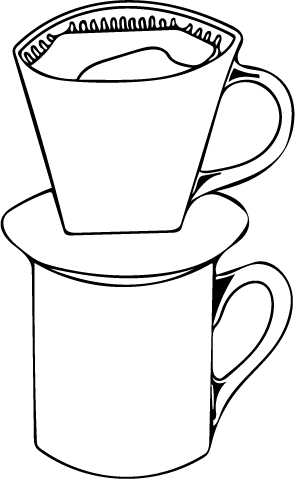
Pour Over brewing is a great choice if you enjoy clarity, brightness, and a more expressive cup. It gives you high extraction control and excels with delicate, fruit-forward coffees.
View Pour Over Guide →Chemex
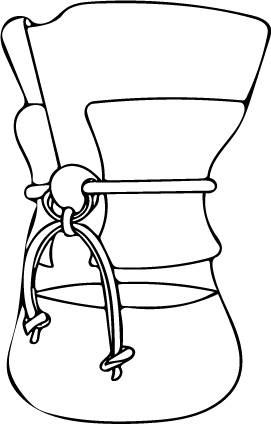
Chemex brewing uses a thick specialty paper filter to produce an exceptionally clean, refined cup with vibrant clarity, smooth body, and zero sediment.
View Chemex Guide →French Press
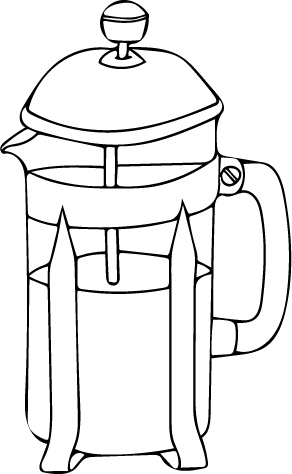
French Press brewing creates a fuller-bodied cup by allowing coffee to steep directly in water before filtering. Simple, forgiving, and ideal for rich, chocolate-forward profiles.
View French Press Guide →AeroPress
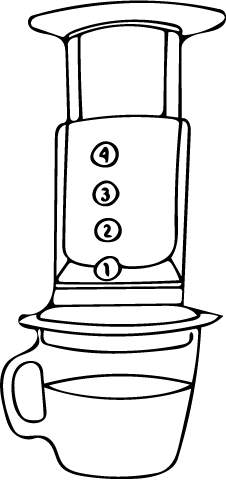
AeroPress brewing is fast, versatile, and easy to experiment with. Adjust grind size, steep time, and technique to produce concentrated espresso-style shots or light, clean cups.
View AeroPress Guide →A Better Cup Starts With the Basics
Whichever method you choose, a few fundamentals make a meaningful difference:
Freshly Roasted Coffee
Start with specialty coffee roasted within weeks of brewing for optimal aroma and flavor extraction.
Grind Just in Time
Grind your coffee beans shortly before brewing whenever possible to preserve volatile aromatics.
Clean, Filtered Water
Coffee is 98% water. Use clean, fresh, balanced water heated between 195°F and 205°F.
Precision Ratios
Weigh both coffee and water on a scale for consistent, repeatable results cup after cup.
Dial to Your Taste
Treat recipes as a starting point — tweak grind size and timing until it tastes perfect to you.
Troubleshooting Your Cup
Small changes in grind size, brew time, water temperature, and coffee-to-water ratio can noticeably change the finished cup.
If your coffee tastes too sour or thin, it may be under-extracted. Try grinding finer or extending your brew time.
If your coffee tastes overly bitter or dry, it may be over-extracted. Try grinding coarser or reducing water temperature.
The best recipe is ultimately the one that produces a cup you enjoy.
Want to Learn More About Coffee Origin & Science?
Explore our Coffee Education series for deep dives on elevation, terroir, processing methods, and dialing in your daily brew.