
How Terroir Crafts Coffee Character
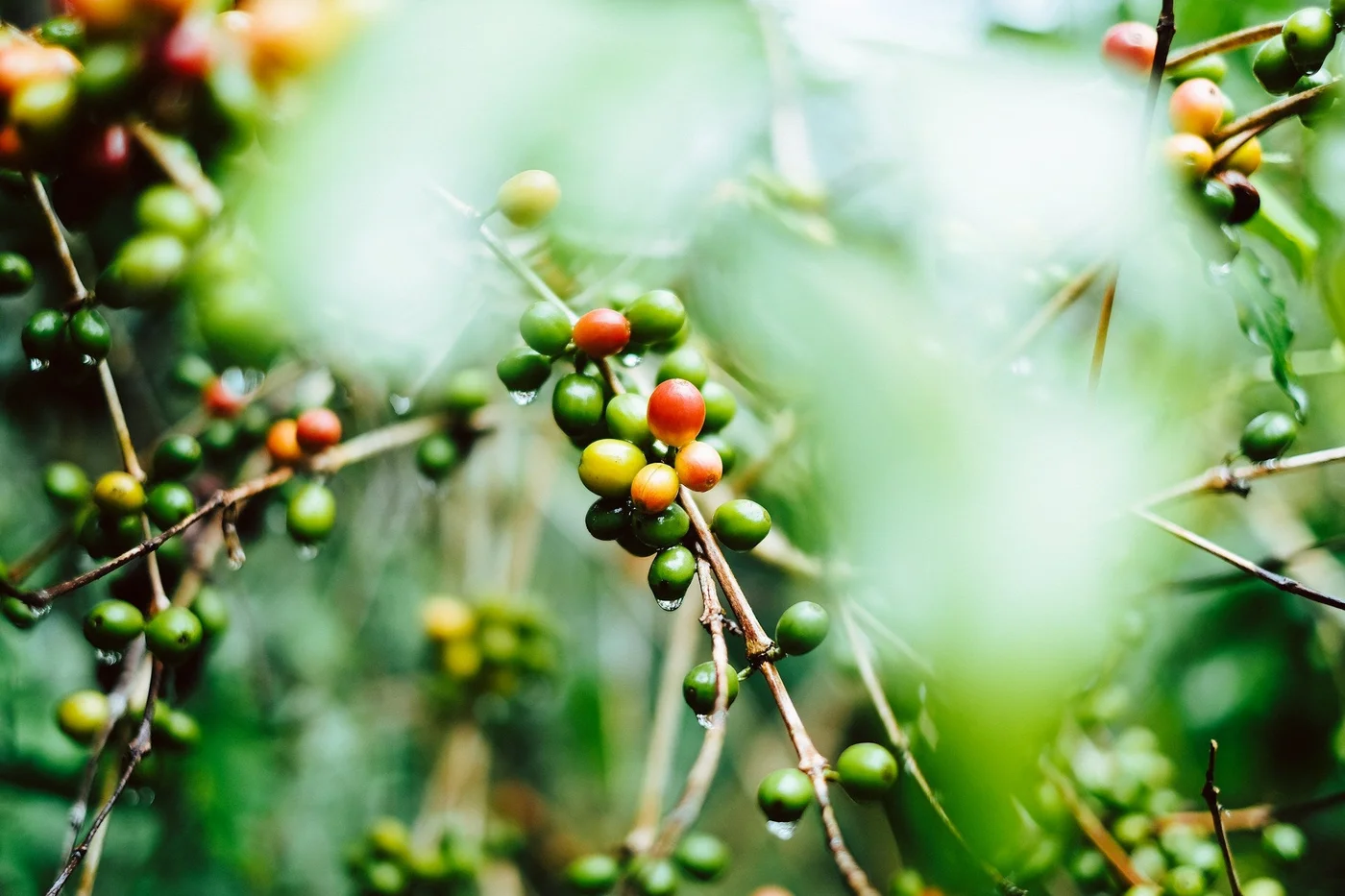
The concept of terroir, borrowed from winemaking, acknowledges that a region’s environment and climate influence the development and flavor profile of coffee. Variations in altitude, rainfall, temperature, and soil interact in complex ways to shape cherry maturation, yielding sensory diversity across different growing regions.
Soil composition affects drainage, nutrient availability, root health, and plant development. These effects interact with climate, variety, farming practices, and processing, making it difficult to attribute a particular cup flavor to soil type alone.
The interplay of terroir elements extends to the minutiae of coffee cultivation, where factors such as shade cover, local canopy flora, and altitude-induced diurnal temperature swings leave their mark on the harvest. Seasonal climate shifts also influence the annual growth cycle and taste of each harvest, highlighting how producers work alongside environmental conditions to bring out the best in their coffee.