
Natural, Washed, and Honey Coffee Processing
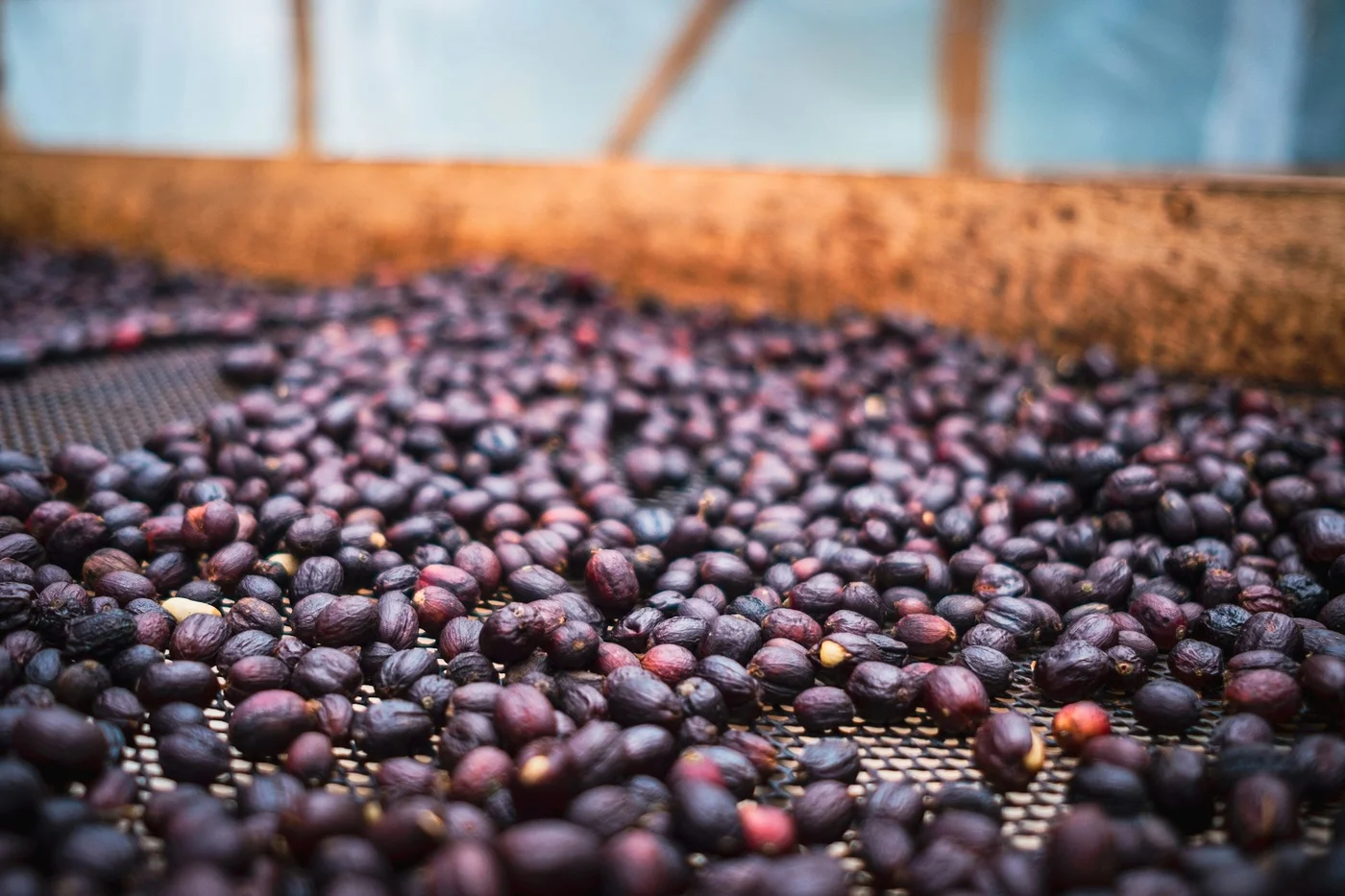
Natural, washed, and honey processing are three primary methods used for removing the outer fruit layers of coffee cherries, with each technique having a distinct impact on the coffee’s ultimate flavor profile.
Natural (Dry) Processing
Natural processing, also known as dry processing, involves drying the whole coffee cherry in the sun. It is the world’s oldest processing method. After harvesting, cherries are spread across raised beds or patios to dry naturally. As the whole cherry dries, prolonged contact with the fruit and the accompanying fermentation can alter the bean’s chemistry and flavor precursors, often contributing to fruit-forward, sweet, and full-bodied sensory profiles. This technique demands a consistently dry climate and meticulous labor to prevent over-fermentation or uneven drying.
Washed (Wet) Processing
Washed processing is a method where the outer fruit skin and pulp are removed shortly after harvest before the seeds are dried. Cherries are mechanically pulped and then fermented in tanks to break down the sticky mucilage layer before being thoroughly washed and dried. This approach tends to highlight a cleaner, more consistent cup with bright acidity and distinct origin clarity. While traditional wet processing requires significant water resources, modern eco-pulpers, mechanical demucilaging, and water-recirculation systems have substantially reduced water consumption across many coffee-producing regions.
Honey (Semi-Dry) Processing & Fermentation
Honey processing offers a spectrum of flavors between dry and wet extremes. Producers remove the outer skin of the cherry while leaving varying amounts of mucilage (the sticky “honey” layer) intact during drying. This method balances the vibrant fruitiness of natural coffees with the refined clarity of washed coffees. Furthermore, innovative producers are increasingly experimenting with controlled anaerobic fermentation and thermal shock techniques, adding even greater diversity to specialty coffee flavor profiles.
Each processing method plays a vital role in shaping coffee’s character, with natural processing celebrating inherent sweetness and body, washed processing enhancing origin clarity, and honey processing bridging the two.