
Does Coffee Lower Dementia Risk? What a 43-Year Study Found
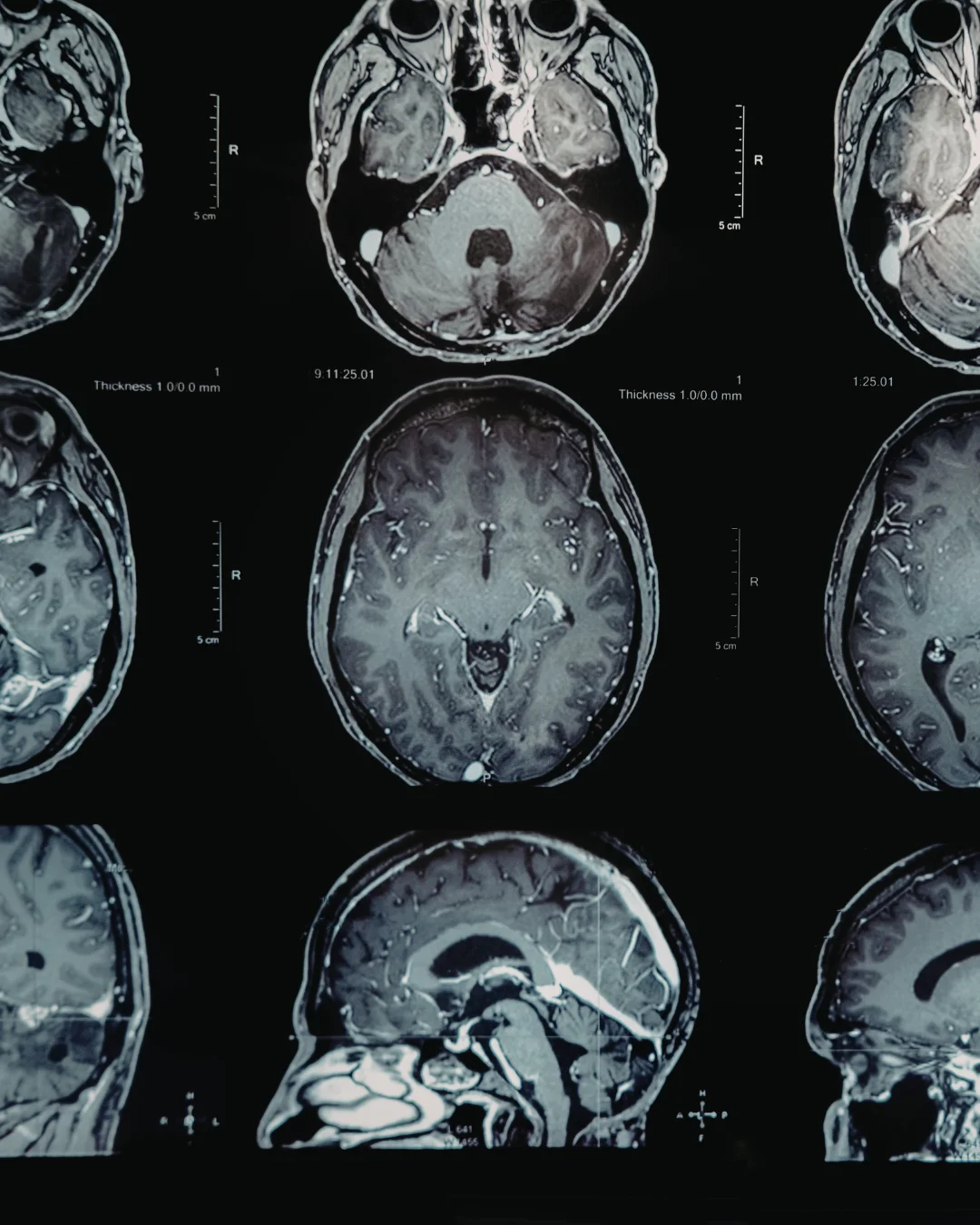
For millions of us, the first cup of the morning is non-negotiable — the thing that turns the lights on. Whether it’s a bright, fruit-forward single-origin light roast or a bold, chocolatey espresso blend, we lean on caffeine to get our brains moving.
What’s been far less clear is what all that coffee does to our brains over decades, not hours. That question has been genuinely contested in the research literature for years.
So a study published in JAMA in March 2026 is worth paying attention to. It’s one of the largest and longest looks yet at coffee intake and cognitive aging in humans — and the researchers did something most previous studies didn’t: they separated caffeinated coffee from decaf.
The short version: people who drank more caffeinated coffee were diagnosed with dementia less often — roughly 18% to 19% less often in the moderate and higher intake quartiles. The study can’t tell us coffee is the reason, and the difference leveled off after about 2 to 3 cups a day. Details below.
Inside the Study
The researchers followed 131,821 people across two long-running health cohorts — the Nurses’ Health Study (86,606 women, tracked from 1980) and the Health Professionals Follow-Up Study (45,215 men, tracked from 1986). Participants filled out validated diet questionnaires every two to four years. Follow-up ran up to 43 years, with a median of nearly 37. Over that span, 11,033 participants developed dementia, identified through physician diagnoses and death records.
After adjusting for other lifestyle and dietary factors, people in the highest quarter of caffeinated coffee consumption had a substantially lower rate of diagnosed dementia than those in the lowest quarter:
- Lowest quartile of intake: 330 cases per 100,000 person-years
- Highest quartile of intake: 141 cases per 100,000 person-years
Those are adjusted rates for the two ends of the range. In relative terms, that comparison works out to about 18% lower risk (hazard ratio 0.82); the third quartile was almost identical at 0.81.
The same group also reported fewer subjective memory and thinking complaints over time — 7.8% versus 9.5%.
On formal cognitive testing, the picture was more modest, and it’s worth being precise here rather than rounding up. Among the women in the Nurses’ Health Study, the highest-intake group scored slightly better on one telephone-based cognitive test — a difference of 0.11 points on a 41-point scale. A second, broader measure of global cognition showed a difference so small it didn’t reach statistical significance. Real, measurable, but small.
How Much Coffee? Finding the Sweet Spot
The most interesting wrinkle: more was not simply better. The dose-response analysis found a non-linear inverse curve, with the most pronounced difference at roughly 2 to 3 cups of caffeinated coffee per day and no further reduction above that. The quartile results show the same flattening — the third quartile came in at a hazard ratio of 0.81 and the highest quartile at 0.82, statistically indistinguishable from one another.
Dementia risk across coffee intake quartiles
Adjusted hazard ratio vs. the lowest-intake group. Bars show 95% confidence intervals.
A note on what “a cup” means, because it matters. Researchers are working with something close to an 8-ounce brewed serving. A 16-ounce pour is two of those. Three large mugs can quietly become six cups of actual caffeine.
Decaffeinated coffee, meanwhile, showed no statistically significant association with lower dementia risk or better cognitive scores. That’s the finding that points most directly at caffeine itself rather than at coffee generally — decaf keeps most of coffee’s other polyphenols and antioxidant compounds.
What This Does and Doesn’t Tell Us
This is observational research, which means it can show a pattern but cannot prove that coffee caused the lower risk. Three caveats deserve to be stated plainly rather than buried:
- These are unusual cohorts. Nurses and male health professionals — predominantly white, health-literate, and better positioned than most to manage their own health. What holds here may not hold everywhere.
- Habits change before diagnoses arrive. People in the early, undiagnosed stages of cognitive decline often shift their daily routines and reduce coffee drinking (reverse causation). That alone can produce part of a pattern like this.
- Coffee drinkers differ in other ways too. Researchers adjust for what they can measure — smoking, physical activity, education, diet quality — but residual confounding is always possible in observational epidemiology.
As for why caffeine might matter, that remains an active area of investigation. Other laboratory and clinical research has explored effects on neuroinflammation, oxidative stress, insulin sensitivity, and vascular health, but those mechanisms were not measured directly in this observational study.
Brewing for the Long Haul
What this study offers coffee lovers isn’t a medical prescription. It’s something more modest and, honestly, more welcome: reassurance. A long-standing daily habit that millions of us enjoy anyway does not appear to be working against our brains over the long run, and may be associated with a modestly better cognitive trajectory.
At Mauch Chunk Coffee Co., we source 100% Arabica specialty beans and roast them in small batches, because we care how the coffee tastes in your cup. That’s our craft. We’ll leave the dementia research to the epidemiologists — but we’re glad the news is what it is.
So pour a good cup. Enjoy it for its own sake.
Reference
Zhang Y, Liu Y, Li Y, et al. Coffee and tea intake, dementia risk, and cognitive function. JAMA. 2026;335(11):961–974. doi:10.1001/jama.2025.27259 — free full text